

When it comes to drawing people, there isn’t one right way to do it. There are thousands of ways, and every artist ends up developing their own rhythm. Some focus on capturing likeness, others on energy or movement, and others still on exaggeration or emotion. The key is to understand what makes a style work, and then experiment until you find something that feels natural for you.
Understanding these ideas is the first step in researching and refining the style that suits you and your interests. In the YouTube video below I discuss this a little more, including showing you my own process for developing my drawings.
Let’s look at a few common styles and what makes them tick.
1. Realism
Realism is about accuracy. The goal is to capture the person as they are, using proportion, perspective, and shading to build a believable form. When done well, it feels solid and three-dimensional. But realism can also trap you in perfectionism. If you’re learning, try to focus on understanding form and light rather than chasing exact likeness.
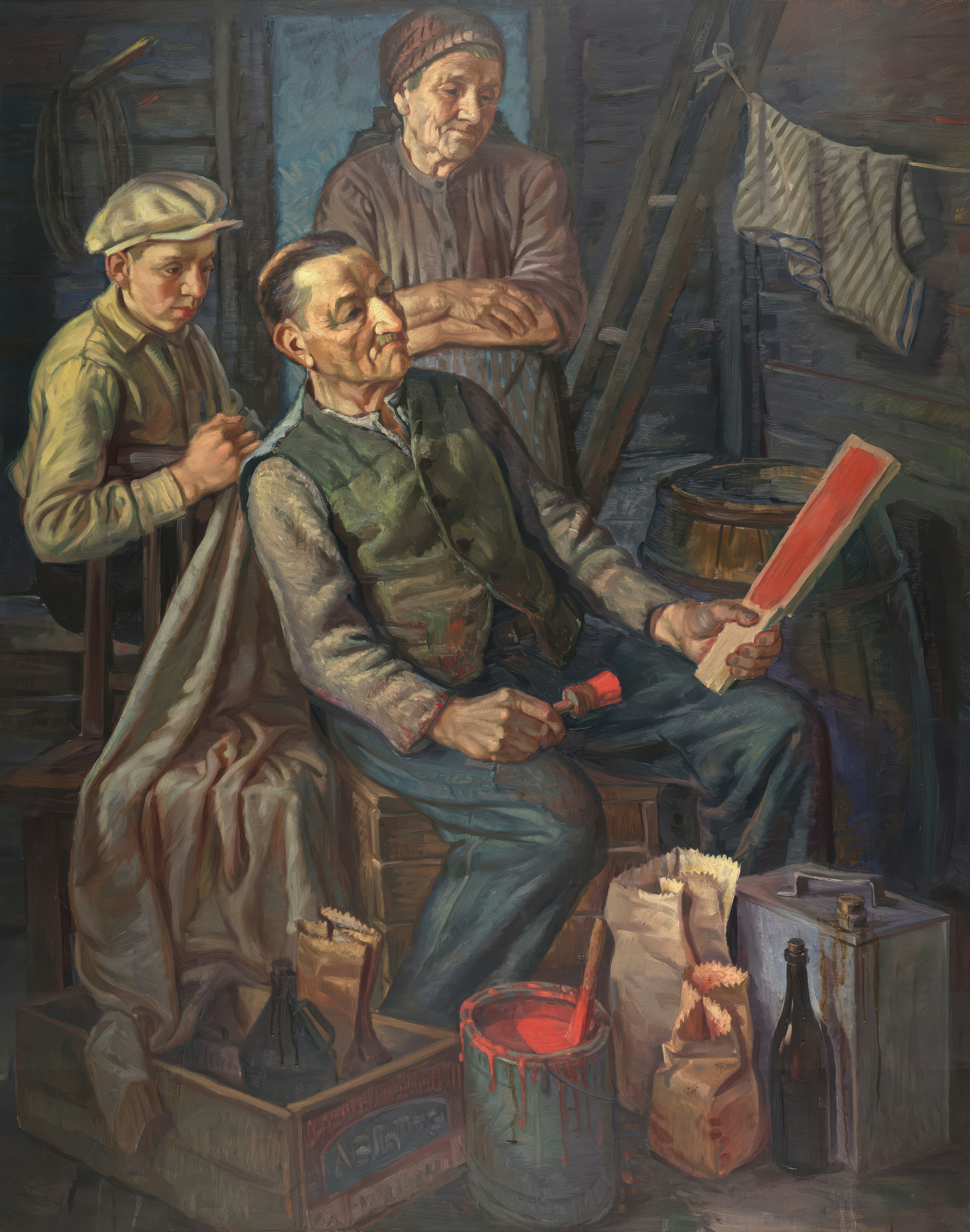
This oil painting by Eric Leps (1933) is an example of realism. There are intricate details throughout each of the people, and we get a real sense of who they are. Oil painting is a very common media for realism, along with pastels, acrylics and pencils. The reason is that all of these mediums offer us opportunities to change things as we go.
As an ink and watercolour sketcher, realism is a little more challenging to achieve – because of the permanent nature of all our marks. IF you are after realism, I suggest starting with a different medium for this reason.
2. Character or Cartoon Style
Cartooning simplifies and exaggerates. You capture the essence of someone with fewer lines, often stretching or shrinking features to emphasise personality. Think of this as storytelling through shape. You’re not drawing a person, you’re drawing who they are.
Gerald Scarfe is a fantastic example of this art style. He exaggerates features, often using caricatures to emphasise a personality with the intention of satire. For example, in political cartooning.
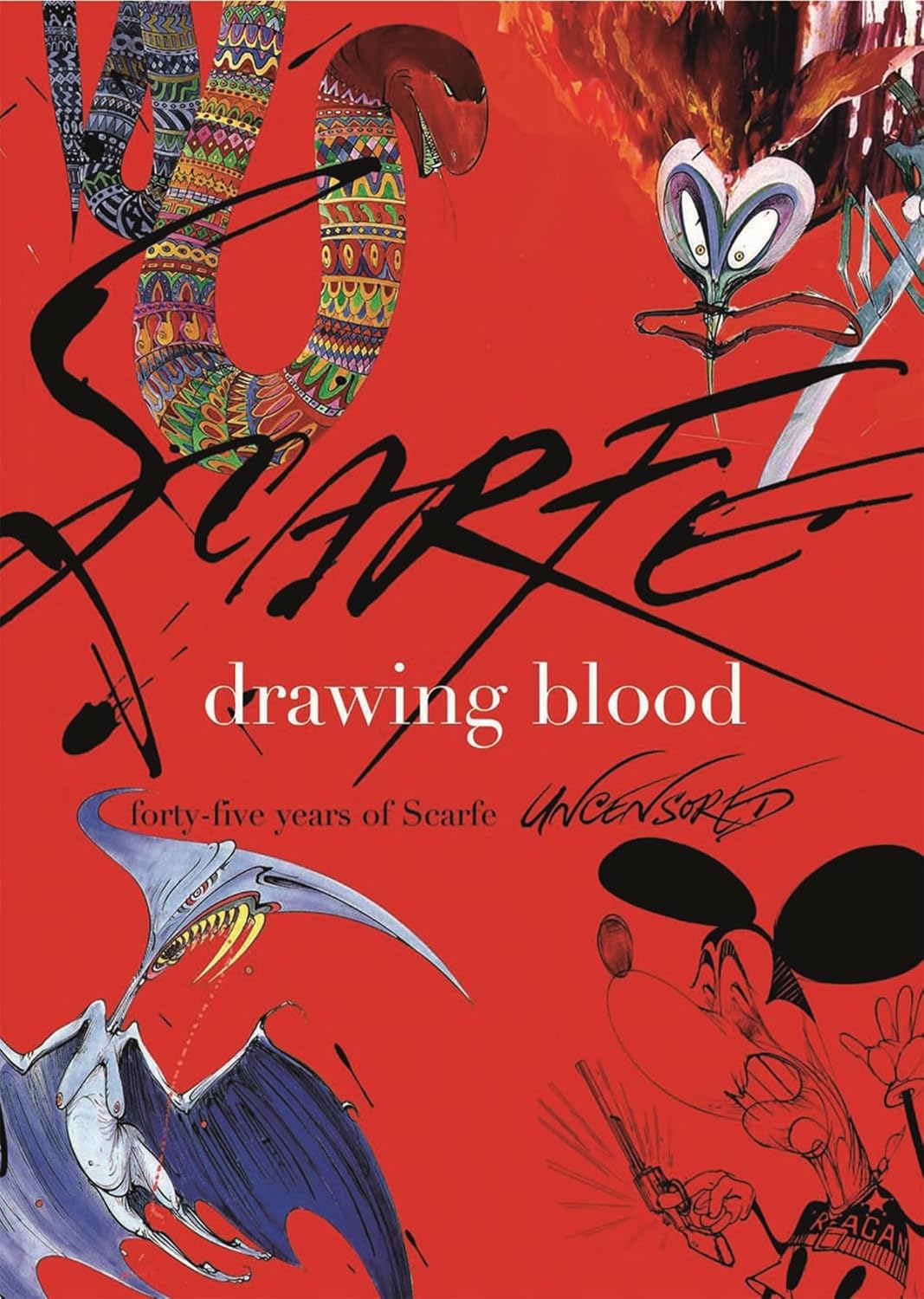
This is the cover of one of Gerald Scarfe’s books which I highly recommend! It is NOT for the faint of heart, so do check out the reviews first. If you’d like to buy it or research it this affiliate link will take you to amazon – click here.
3. Expressive or Abstract
Here, accuracy is thrown out the window. Lines can be wild, colours unrealistic, forms broken apart. Artists like Ralph Steadman use distortion and splatter to create energy and emotion. This approach works well when you want your drawing to feel alive, not just look correct.
Ralph Steadman also has a wonderful way of combining technical drawing with incredibly expressive energy and random effects with ink splatters. This contrast, within the same drawing, is one of the things that makes him truly unique.
4. Illustrative or Stylised
This sits somewhere between realism and abstraction. Artists like Quentin Blake or Felix Scheinberger use rhythm, gesture, and colour to build a loose yet recognisable figure. Their people move, breathe, and live on the page. If you love sketching outdoors, this is one of the most rewarding styles to explore.
Quentin Blake, in particular, holds a place dear in the hearts of many of my generation (and probably before and after). His illustrations fill many childhood staple reads, like ‘The BFG’ and ‘Mathilda’. His style is fantastic, unique and totally recognisable.
5. Surreal or Conceptual
This is where reality bends. Proportions change, objects merge with people, scenes feel like dreams. Artists such as Alan Cober explored people through mood and metaphor, not just likeness. It’s a reminder that drawing can reflect an inner world, not only what’s in front of us.
Rather than write my own blog post on this amazing artist here is a link to another blog post that will give you a great deal of information and inspiration: https://illustratedjournalism.substack.com/p/alan-e-cober-drawing-the-forgotten
Finding Your Own Style
You don’t find a style by picking one and copying it. You build it by borrowing from others and experimenting until your drawings start to feel like you. Try this:
- Pick one artist and fill a page with studies of their work.
- Copy one of their figures, then redraw it in your own way.
- Sketch real people, but apply what you learned from that artist’s style.
Over time, you’ll start to mix influences, and your sketches will carry your own line, rhythm, and energy.
If you want to explore this more, check out my fun class on Skillshare “Learn Like the Masters: Sketching People in Pen and Ink”, where I take this exact approach — studying great artists, understanding their marks, and developing your own unique way of drawing people.